By Eileen | 29 November 2025 | 0 Comments
Practical Fire Safety Tips for a Safer Workplace
Winter often brings colder, drier conditions, and recent years have seen reduced rainfall, which increases the risk of fires. Fires can spread quickly in dry conditions, making it essential to take proactive measures to protect employees and property. Whether it’s an office, warehouse, or commercial space, knowing how to respond and prevent hazards can save lives. Prevention is always better than cure. Here are essential fire safety tips and practical strategies to prepare for potential fire situations:
1. Inspect Electrical Systems Regularly
Electrical faults are a leading cause of fires in offices and commercial spaces.
Check wiring, outlets, and lighting fixtures for signs of wear or overheating.
Avoid overloading circuits or using multiple extension cords.
Use high quality LED lighting, such as panel lights and linear lights, which generate less heat and reduce fire risk.
2. Store Flammable Materials Safely
Small mistakes can lead to big disasters.
Keep paper, packaging, cleaning supplies, and other combustible items away from heat sources.
Store chemicals in proper containers and in designated storage areas.
Maintain tidy workspaces to reduce accidental fire hazards.
3. Ensure Clear Emergency Access
During a fire, every second counts.
Keep exits, stairways, and corridors free from obstruction.
Make sure emergency exit signs and emergency lighting are clearly visible.
Regularly test smoke detectors and alarms to ensure they are fully operational.
4. Train Employees and Conduct Drills
Prepared employees save lives.
Schedule regular fire drills and review evacuation plans.
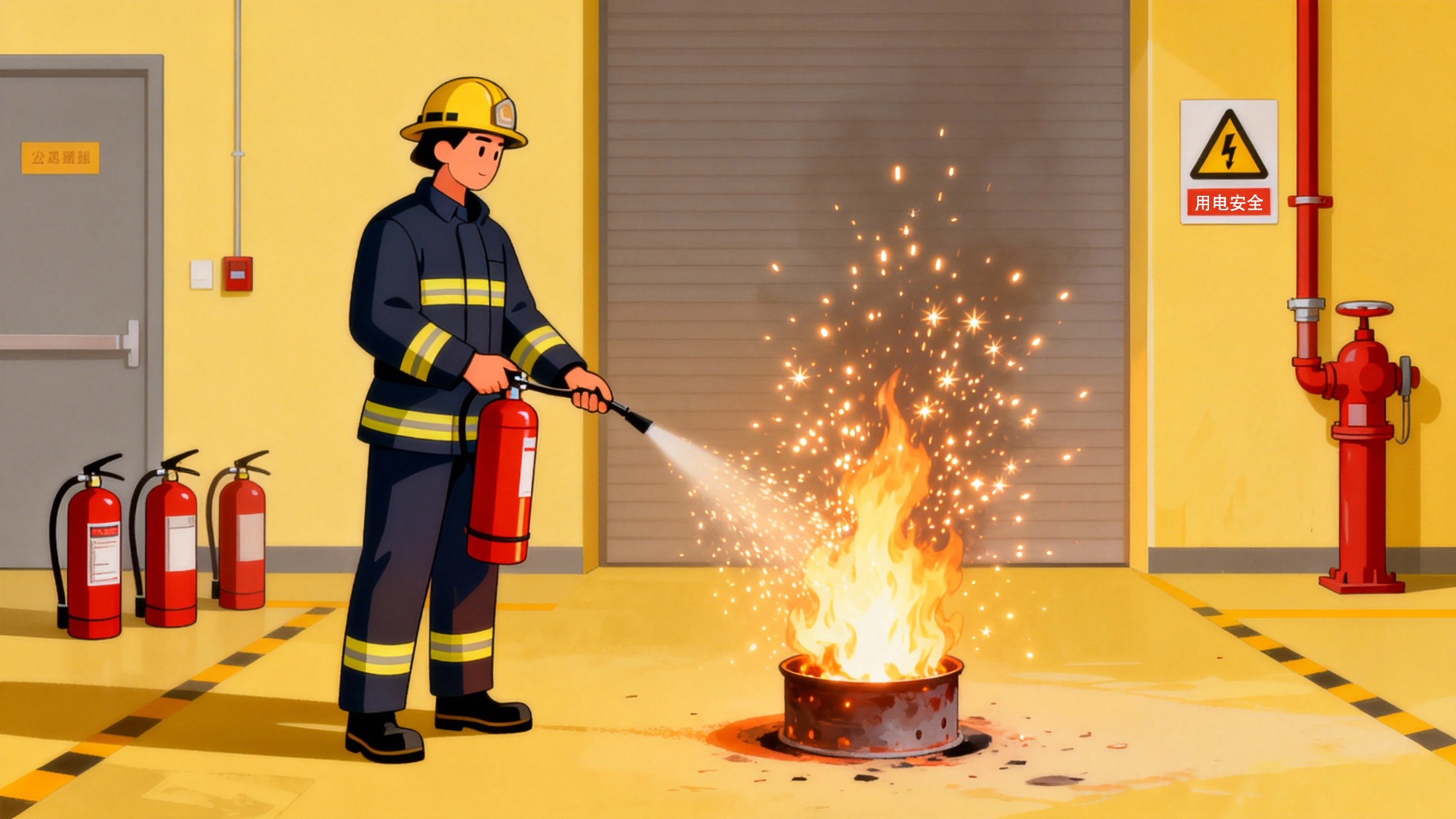
Train staff on how to use fire extinguishers properly.
Make sure everyone knows emergency contact numbers and assembly points.
5. Maintain Fire-Fighting Equipment
Having equipment is not enough—it must work when needed.
Inspect fire extinguishers, hoses, and alarms regularly.
Replace or recharge extinguishers after use.
Ensure emergency lights are functional and bright enough to guide evacuation.
6. Install Emergency Sensor Lights
Emergency sensor lights provide crucial guidance during smoke-filled or power-outage conditions.
Motion-activated or heat-sensing LED lights automatically turn on in emergencies, guiding employees to safety.
Place them along corridors, stairways, exits, and key areas prone to fire hazards.
Regularly test batteries and sensors to ensure reliability.
Combining emergency lights with standard LED office and commercial lighting improves visibility and safety during a fire.
Conclusion
Winter dryness and reduced rainfall increase fire risks, making fire preparedness and prevention critical. Vigilance, proper training, and the right equipment—including emergency sensor lighting—can prevent small incidents from becoming disasters.
Remember: Water and fire are merciless—but awareness, preparation, and a well-lit, sensor-equipped workplace can save lives.
1. Inspect Electrical Systems Regularly
Electrical faults are a leading cause of fires in offices and commercial spaces.
Check wiring, outlets, and lighting fixtures for signs of wear or overheating.
Avoid overloading circuits or using multiple extension cords.
Use high quality LED lighting, such as panel lights and linear lights, which generate less heat and reduce fire risk.
2. Store Flammable Materials Safely
Small mistakes can lead to big disasters.
Keep paper, packaging, cleaning supplies, and other combustible items away from heat sources.
Store chemicals in proper containers and in designated storage areas.
Maintain tidy workspaces to reduce accidental fire hazards.
3. Ensure Clear Emergency Access
During a fire, every second counts.
Keep exits, stairways, and corridors free from obstruction.
Make sure emergency exit signs and emergency lighting are clearly visible.
Regularly test smoke detectors and alarms to ensure they are fully operational.
4. Train Employees and Conduct Drills
Prepared employees save lives.
Schedule regular fire drills and review evacuation plans.
Train staff on how to use fire extinguishers properly.
Make sure everyone knows emergency contact numbers and assembly points.
5. Maintain Fire-Fighting Equipment
Having equipment is not enough—it must work when needed.
Inspect fire extinguishers, hoses, and alarms regularly.
Replace or recharge extinguishers after use.
Ensure emergency lights are functional and bright enough to guide evacuation.
6. Install Emergency Sensor Lights
Emergency sensor lights provide crucial guidance during smoke-filled or power-outage conditions.
Motion-activated or heat-sensing LED lights automatically turn on in emergencies, guiding employees to safety.
Place them along corridors, stairways, exits, and key areas prone to fire hazards.
Regularly test batteries and sensors to ensure reliability.
Combining emergency lights with standard LED office and commercial lighting improves visibility and safety during a fire.
Conclusion
Winter dryness and reduced rainfall increase fire risks, making fire preparedness and prevention critical. Vigilance, proper training, and the right equipment—including emergency sensor lighting—can prevent small incidents from becoming disasters.
Remember: Water and fire are merciless—but awareness, preparation, and a well-lit, sensor-equipped workplace can save lives.
What Is UGR and Why It Matters in Office & Commercial Lighting
Understanding Microwave Sensors in LED Lights: How They Work and Why They Outperform PIR Sensors
Leave a Reply
Your email address will not be published.Required fields are marked. *